
Amrita Sher-Gil’s Bride’s Toilet (1937), inspired by her travels across South India and the Ajanta Caves, reflects intimate moments of everyday life and cultural depth.
What if you were returning from work and noticed a vending machine, the only illuminated object on an otherwise dark road? That is exactly what Eiji Ohashi experienced, a moment that led to the creation of his renowned book Roadside Lights and ultimately inspired him to travel to the most remote and deserted corners of Japan.
It might be what we call the art of noticing, but the art of noticing can only be experienced, never taught. For Eiji Ohashi, it wasn’t just about the glowing vending machine; it was about discovering how the unnoticed can quietly become something worth noticing. While the journey began with the surroundings, travel inspired him to keep exploring, becoming his way of staying present, allowing unfamiliar places to slow him down and deepen his awareness.
Travel like a traveler, not a tourist”- often attributed to Anthony Bourdain, is not just a phrase, as travel is not always about ticking the box and chasing perfect Instagram stories; it’s about surrendering, being present, and noticing the small, meaningful moments along the way, much like great painters who transformed their journeys into timeless art, finding beauty and inspiration in the places they explored.
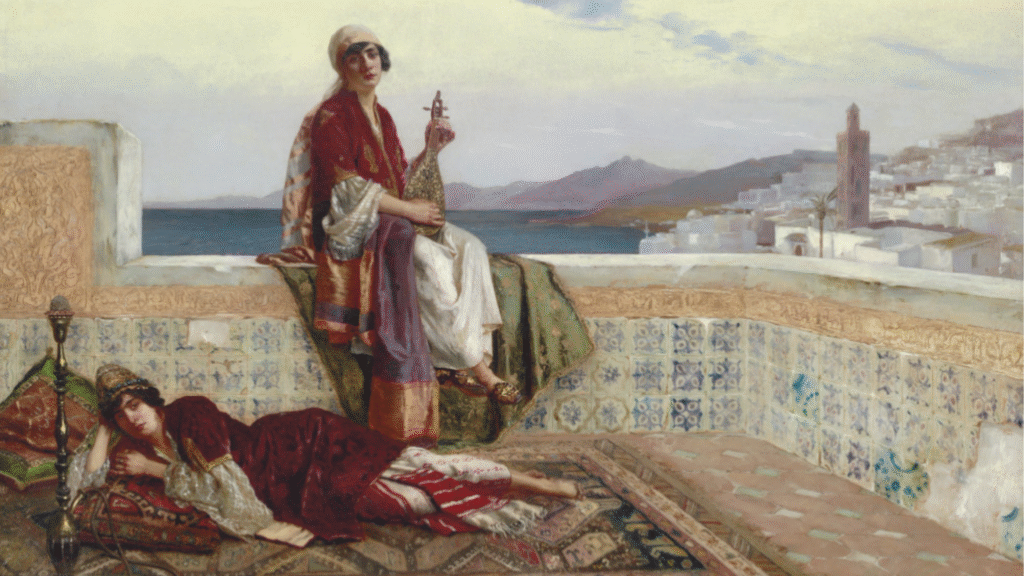
On the Terrace, Tangiers by Rudolf Ernst, inspired by his travels across North Africa and the Middle East, captures Orientalist scenes of Islamic culture and daily life.
As far as design is concerned, things are not always designed in polished offices or the perfect work-from-home desk. A creative person simply needs to learn how to observe, notice human behavior, and pay attention to the subtle rhythms of everyday life. It lies in how people interact with spaces, how they adapt, pause, move, and respond without even realizing it.
And that’s where travel steps in, almost like a reset button. It pulls you out of routine and drops you into the unfamiliar new streets, new habits, new ways of living. In different cultures, spaces are used differently, materials tell their own stories, and everyday rituals unfold in unexpected ways. Travel allows you to see beyond your usual patterns, opening your eyes to ideas that cannot be experienced from the comfort of home.
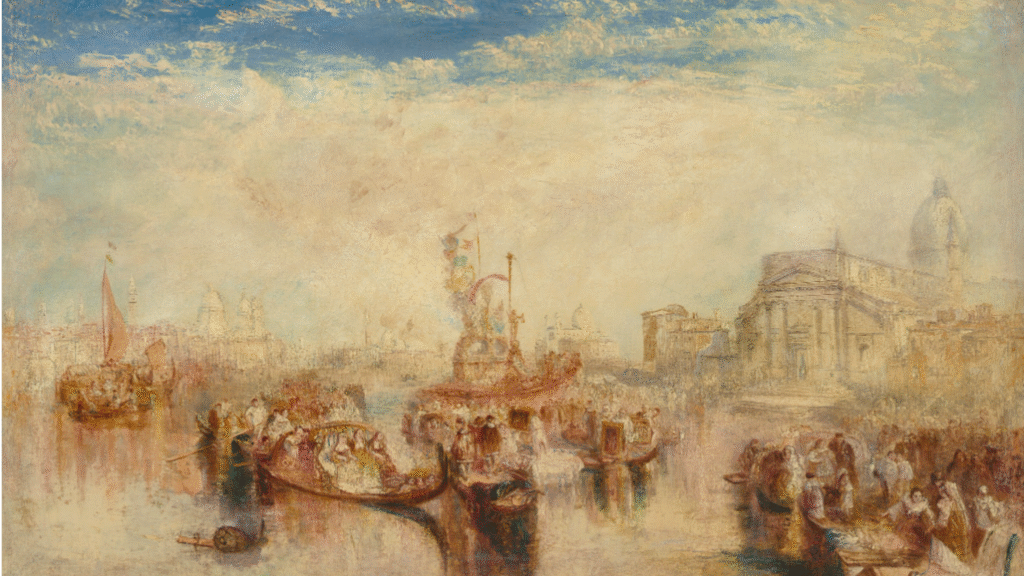
Joseph Mallord William Turner’s Depositing of John Bellini’s Three Pictures in La Chiesa Redentore, Venice (1841), painted during his final visit to the city, draws inspiration from his travels and Venice’s layered history and architecture.
When you travel, it’s not just the change of scenery that matters; it’s the way your mind begins to notice the world differently. Patterns you once overlooked become fascinating, ordinary objects take on new meaning, and everyday interactions reveal hidden rhythms. Cafés, markets, and streets all tell stories unique to their place and culture. By immersing yourself in these details, you start to see connections, ask new questions, and imagine possibilities you never considered before. Travel doesn’t just show you new sights, it trains your eyes, your mind, and your creativity to respond with curiosity and wonder.
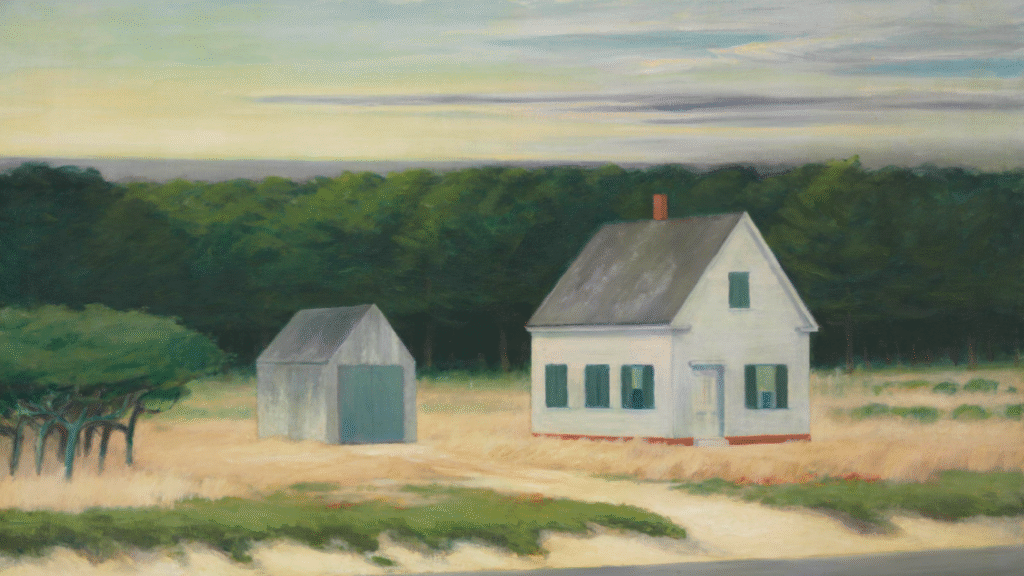
Edward Hopper’s October on Cape Cod, inspired by his summers in South Truro, reflects his search for subjects within familiar surroundings shaped by travel and routine.
This shift from the familiar to the unknown breaks creative blocks and sparks curiosity. It teaches you to observe, to question, and to connect seemingly ordinary moments with fresh perspectives. Over time, these experiences stay with you, quietly reshaping the way you think, notice, and design. In the end, travel doesn’t just inspire creativity, it rewires it, turning every journey into a practice of seeing the world, and your work, in a whole new way.
Also Read – Why Every Architect Should Travel at Least Once a Year
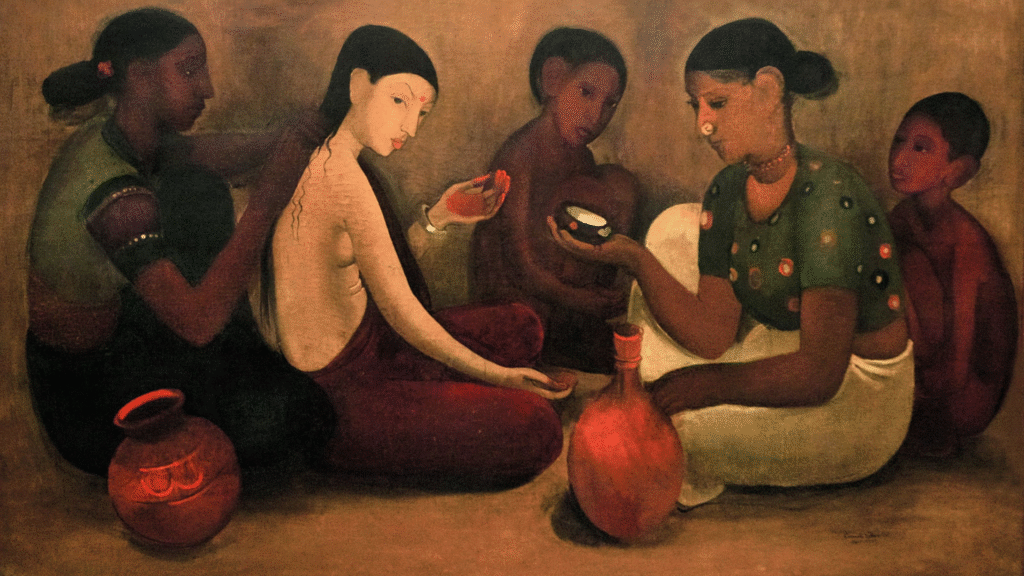
Amrita Sher-Gil’s Bride’s Toilet (1937), inspired by her travels across South India and the Ajanta Caves, reflects intimate moments of everyday life and cultural depth.
Ultimately, travel transforms more than the places you visit; it transforms how you see. By stepping into unfamiliar worlds, noticing details, and embracing new perspectives, every journey becomes a rehearsal for creativity. It teaches you to slow down, to question assumptions, and to find inspiration in the ordinary. Travel doesn’t just spark ideas; it reshapes the way you think, observe, and create, making curiosity and awareness a constant part of your creative practice.